

 24 Hour Emergency
Aid
24 Hour Emergency
Aid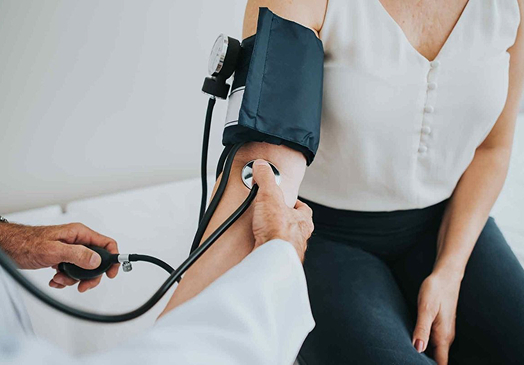
Why High Blood Pressure Is Called the Silent Killer and How to Stay Ahead of It
High blood pressure or hypertension affects more than 220 million adults in India. It has no obvious symptoms in most cases, develops gradually over years, and quietly damages your heart, kidneys, brain, and eyes long before you feel anything is wrong. This is exactly why it has earned the name "the silent killer."
As a practising General Physician at Ruchir Hospital in Modasa, I see patients every week who discover elevated blood pressure only during a routine check-up with no prior warning signs whatsoever. The earlier it is caught, the easier it is to manage.
What is Hypertension?
Blood pressure is the force your blood exerts against artery walls as the heart pumps. A normal reading is around 120/80 mmHg. Hypertension is diagnosed when readings consistently exceed 140/90 mmHg. Even slightly elevated pressure sustained over time puts significant and progressive strain on your heart, kidneys, and brain silently, without you feeling a thing.
Why Most People Do Not Know They Have It
Hypertension rarely causes noticeable symptoms until it reaches a dangerously high level or triggers a serious event like a heart attack or stroke. Occasional headaches, mild dizziness, or nosebleeds are sometimes associated with high blood pressure but the majority of people with hypertension experience no symptoms at all. They feel completely fine. They go about their daily lives. And all the while, the pressure builds.
The only reliable way to know your blood pressure status is to check it regularly. There is no substitute.
I see patients every week who have no idea their blood pressure has been elevated for years. A two-minute check at every visit is one of the most important things we do because catching it early changes everything.
What Causes Hypertension?
Hypertension rarely has a single cause. In most cases it develops from a combination of lifestyle and medical factors working together over time. A diet high in salt, a sedentary routine, excess body weight, chronic unmanaged stress, and habits like smoking or regular alcohol consumption all contribute significantly to rising blood pressure. On the medical side, a family history of hypertension, poorly controlled diabetes, kidney disease, thyroid disorders, or even certain long-term medications can push blood pressure into dangerous territory. Understanding your personal risk factors is the first step toward preventing the condition from taking hold.
What Happens If It Goes Untreated?
Uncontrolled hypertension over months and years causes damage that accumulates quietly and compounds over time. The heart is forced to work harder than it should, eventually leading to heart failure or a heart attack. The blood vessels supplying the brain can rupture or become blocked, resulting in stroke. The kidneys, which depend on healthy blood flow to filter waste, begin to deteriorate. Vision deteriorates as the delicate vessels of the retina are damaged. Cognitive decline becomes a real risk. These are not rare or extreme outcomes they are the direct, documented consequences of sustained elevated blood pressure that goes unmanaged.
How to Control Your Blood Pressure
Managing hypertension begins with lifestyle. Reducing sodium in the diet, increasing intake of potassium-rich foods like bananas and leafy greens, cutting back on processed foods, and following a heart-healthy eating pattern all produce real, measurable reductions in blood pressure. Regular physical activity even thirty minutes of brisk walking five days a week has a significant and well-documented effect. For patients carrying excess weight, losing even five to ten percent of body weight can bring blood pressure down meaningfully without any medication.
Chronic stress is another factor that cannot be ignored. It activates hormonal pathways that raise blood pressure consistently, and managing it through better sleep, breathing techniques, and reducing unnecessary pressure in daily life makes a genuine difference over time.
For many patients, however, lifestyle changes alone are not sufficient. Antihypertensive medication prescribed and monitored by a physician is safe, effective, and essential for long-term cardiovascular protection. Taking medication consistently not just when you feel unwell is critical. Blood pressure does not take days off, and neither should your management of it.